
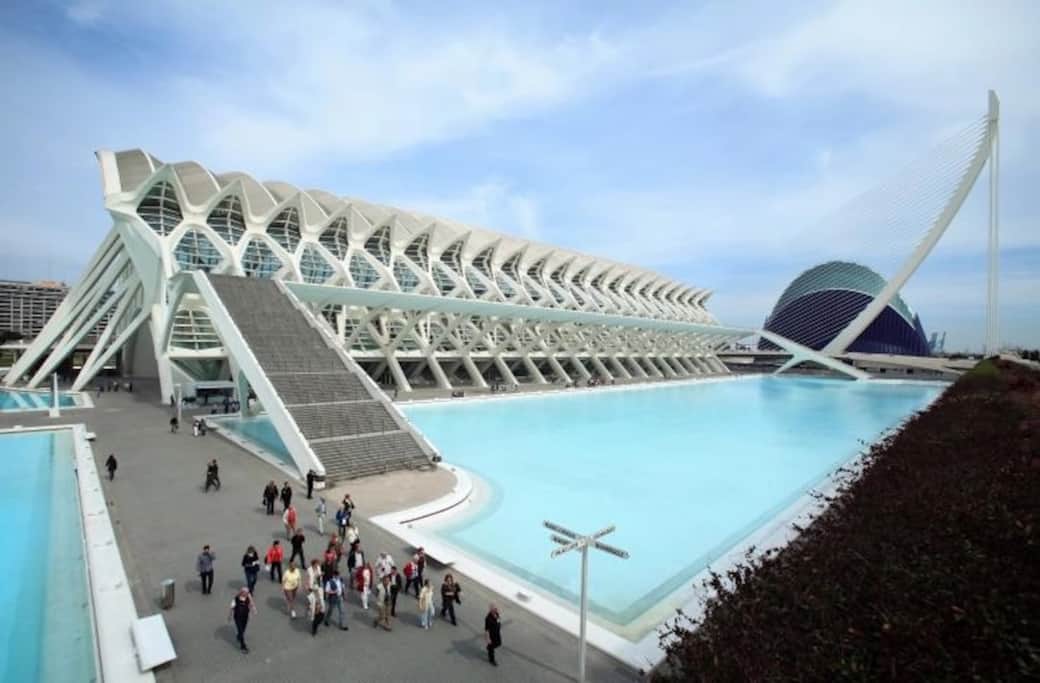
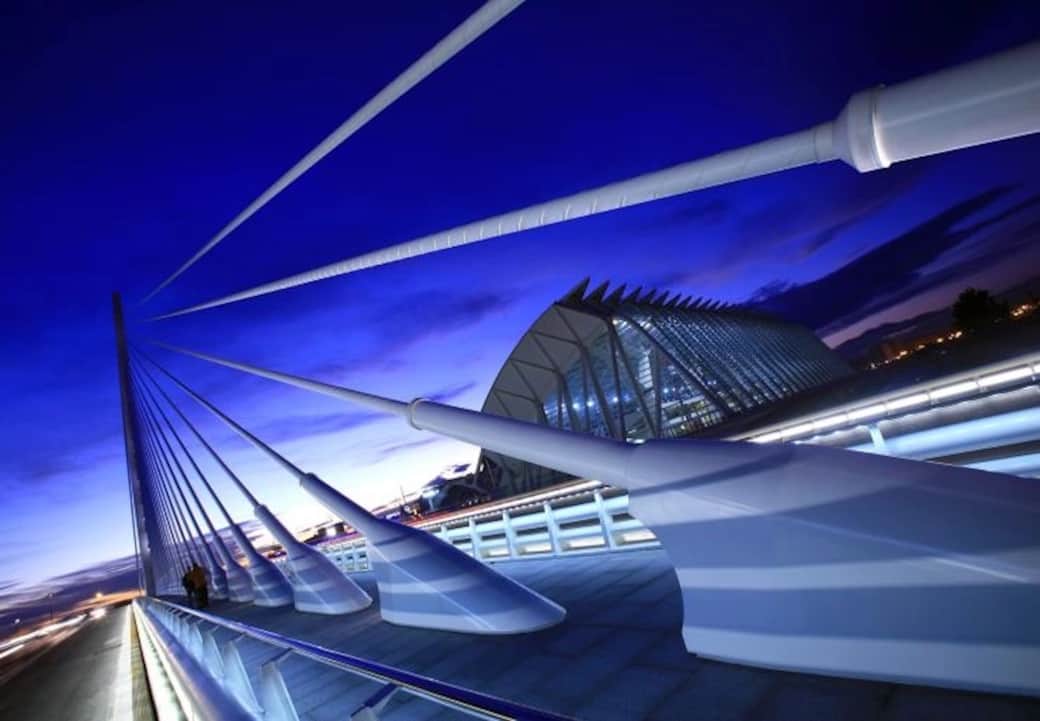
The Ciudad de las Artes y las Ciencia (Valenciá: Ciutat de les Arts i les Ciències) is a cultural and architectural complex in the city of Valencia. It is the most important modern tourist destination in the city of Valencia and one of the12 Treasures of Spain.Designed by Santiago Calatrava and Felix Candelá the project began the first stages of construction in July 1996, and was inaugurated on 16 April 1998.
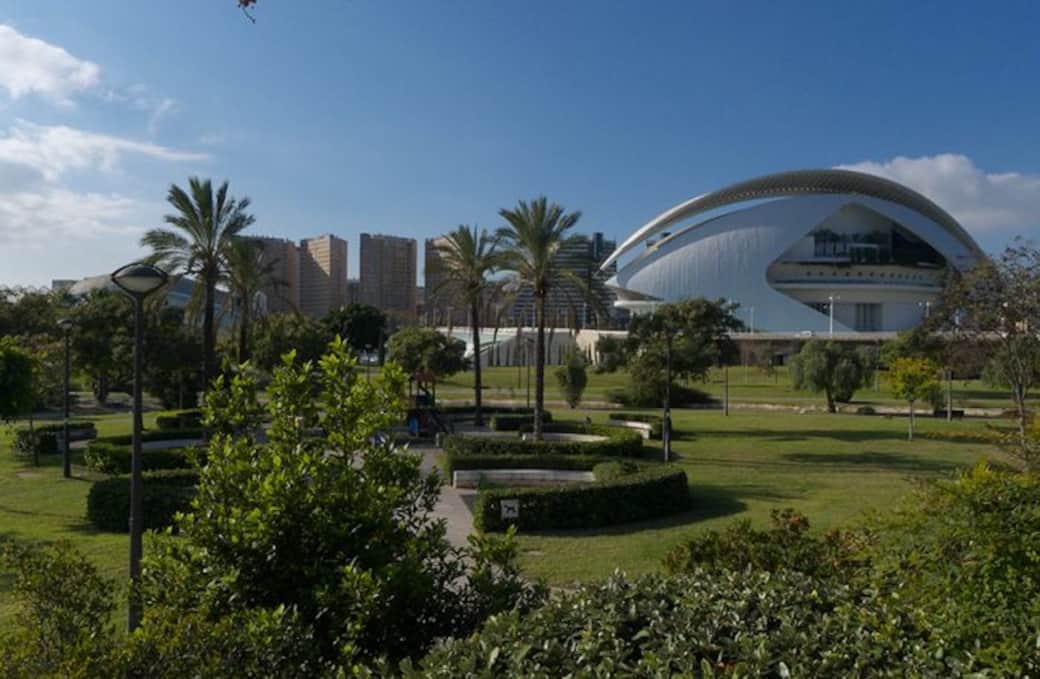
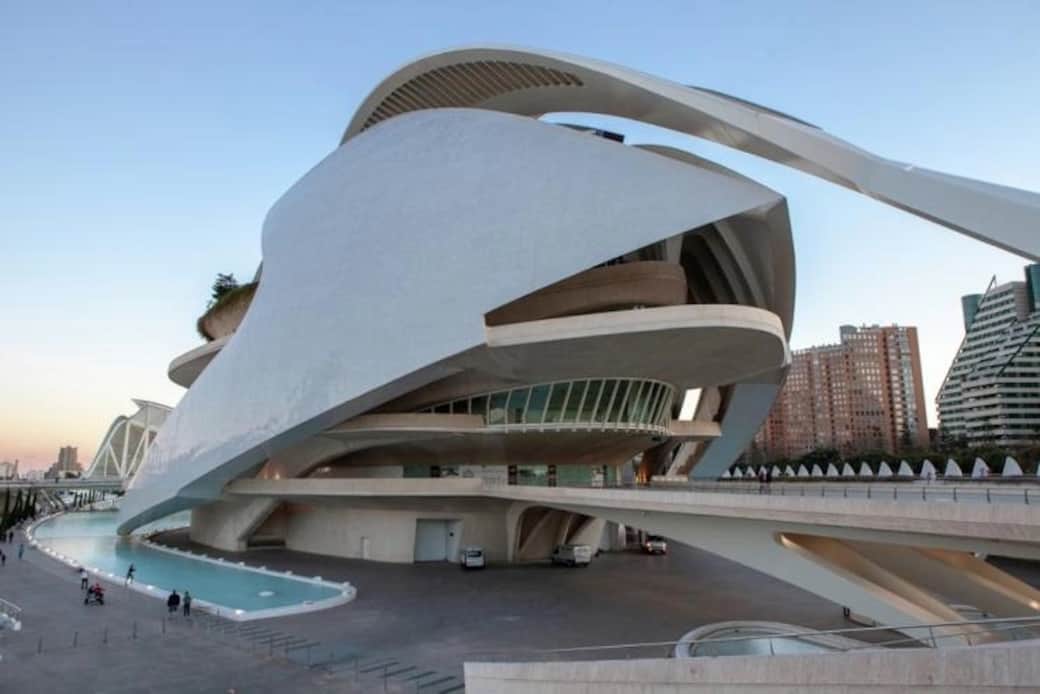
The Palau de la Música de València is a concert, cinema, arts, and exhibition hall in Valencia, situated on theTuria river. The Palau de la Música de Valencia was designed by the architect José María García de Paredes. It was inaugurated on April 25, 1987, and features a large symphonic hall, an exhibition hall and two conference rooms.
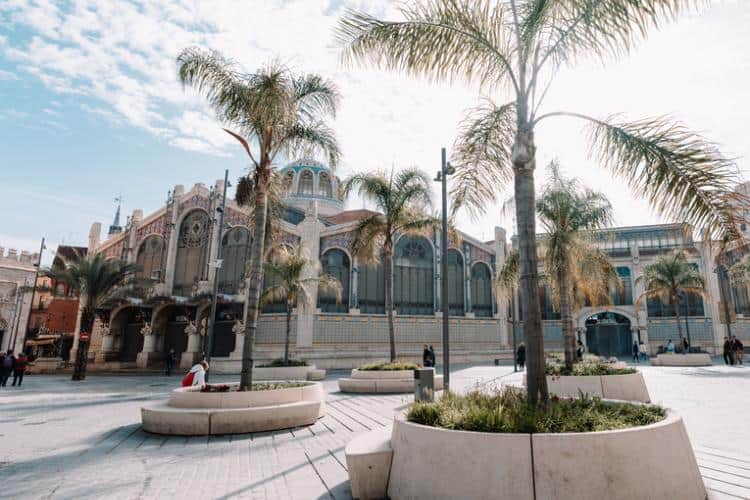
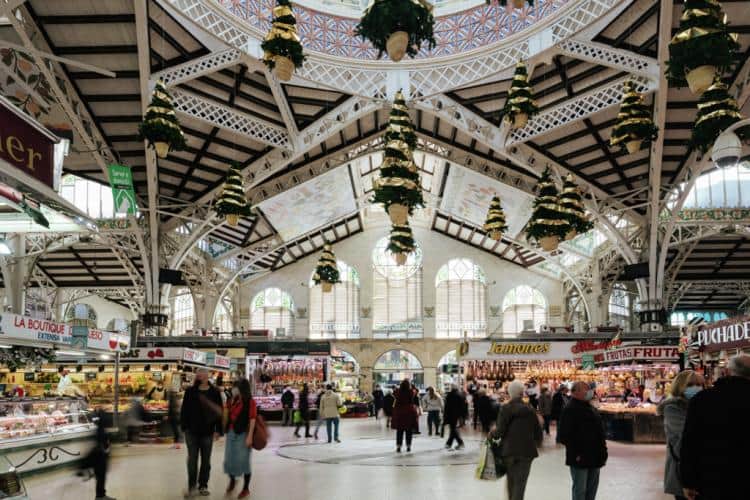
Mercado Central or Mercat Central (English: Central Market) is a public market located across from the Llotja de la Seda and the Church of Santos Juanes in central Valencia, It is one of the Valencian Art Nouveau. Construction began in 1914 and was not fully completed until 1928 by the Valencian architect Enrique Viedma Vidal. The Central Market of Valencia is one of the largest in Europe; it covers more than 8,000 square metres
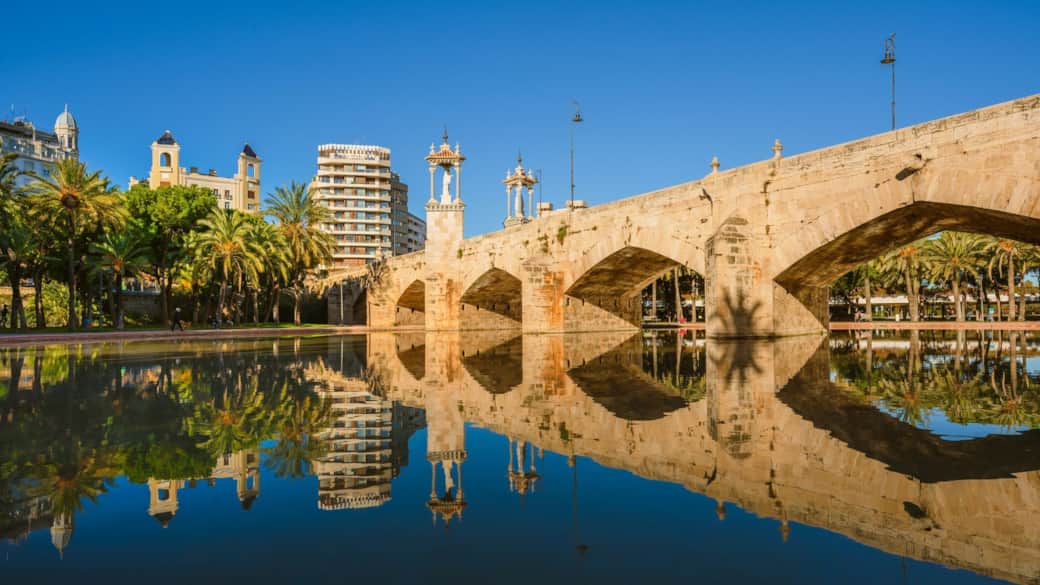
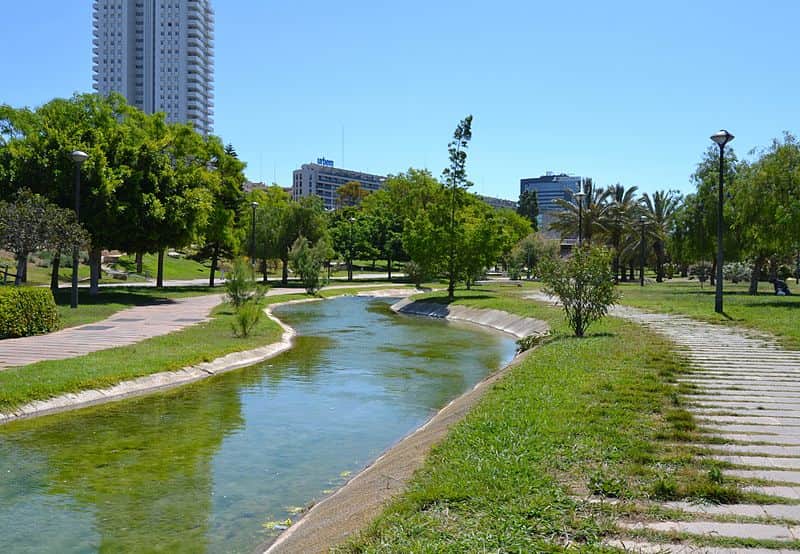
The Rio Turia or Túria is a river in Spain, which has its source in the Montes Universales in the mountain ranges of the northwesternmost end of the Sistema Ibérico, Teruel province. The river formerly ran through the center of the city but was diverted south of the city to prevent flooding. The old course of the river has been turned into a central green-space for the city, a cultural attraction known as the Garden of the Turia.
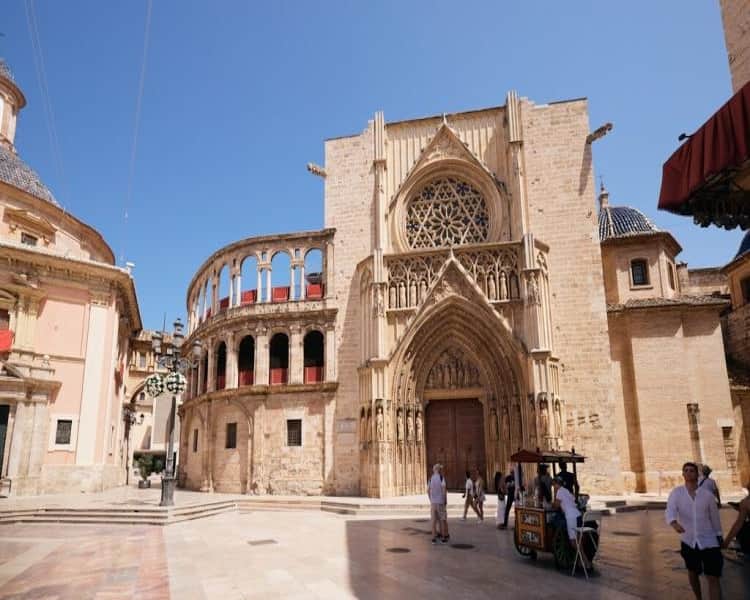
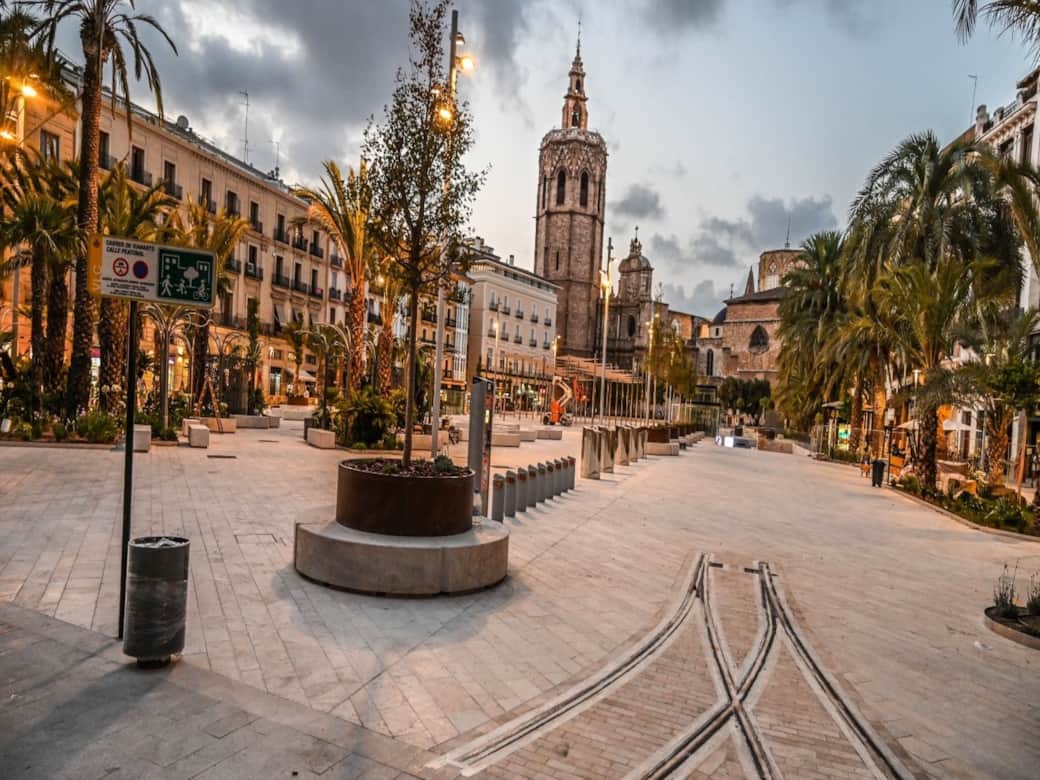
The basilica which now houses the image of 'Our Lady' was built on the site of a Roman temple. A renaissance arc leads from the basilica on Plaza de la Virgen to Valencia Cathedral . Plaza de la Reina is a central plaza in Valencia, The plaza includes the baroque door of the Irons, which gives access to the Valencia Cathedral. It is also noteworthy for views of two important bell towers of Valencia, the Santa Catalina and the Miguelete Tower.
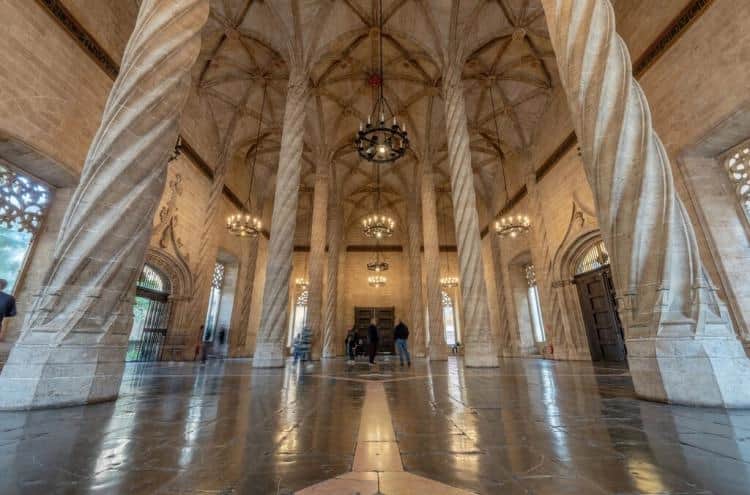
The Llotja de la Seda is a late Valencian Gothic-style civil building in Valencia. Built between 1482 and 1533, this was the financial centre of La Lonja, where the merchants work out contracts. The
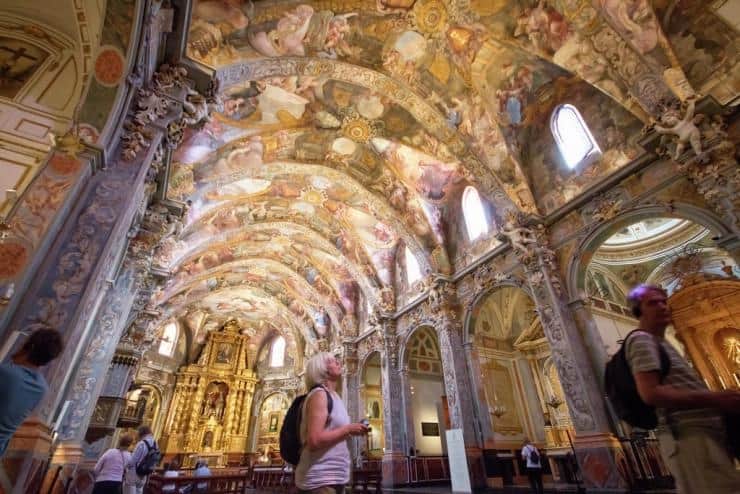
Iglesia de San Nicolás de Bari y San Pedro Mártir
is a Valencian Gothic-style, Catholic parish church located in Valencia. The church was founded in the 13th century, with a layout that includes a single-nave with six chapels between the buttresses and polygonal apse.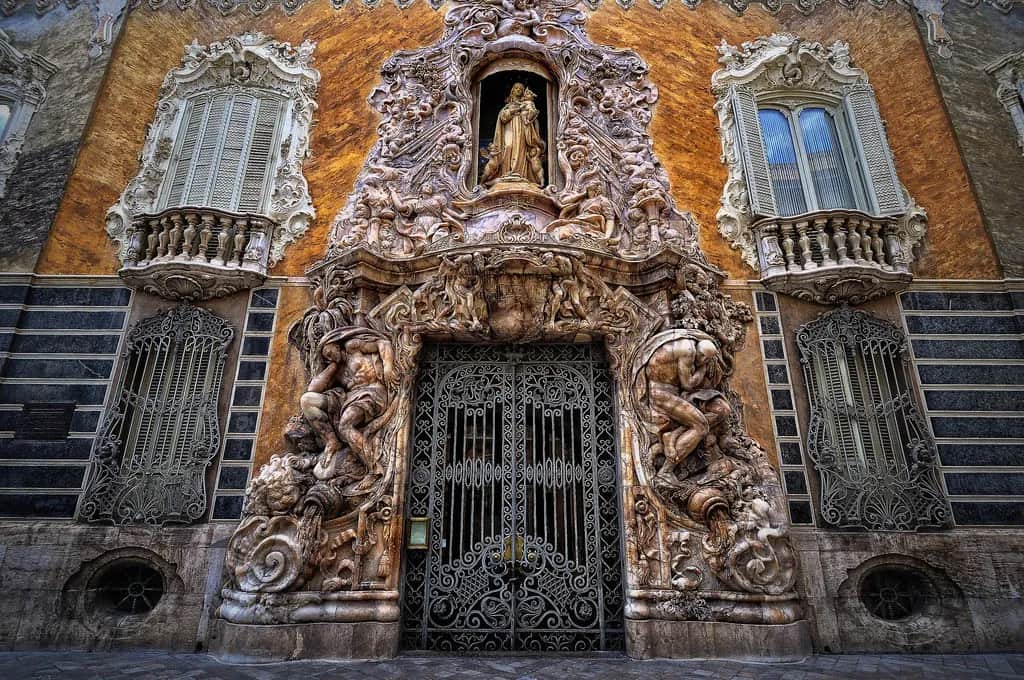
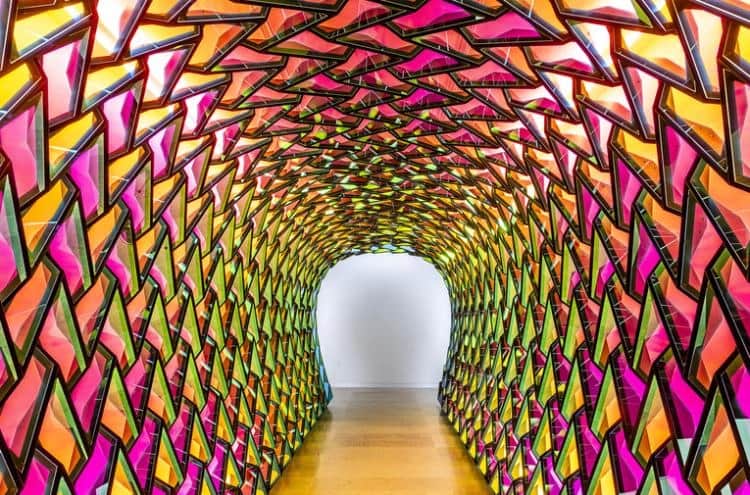
In honour of Valencia's ceramics industry, the Museo Nacional de Cerámica González Martí is located in what is considered the finest example of Baroque architecture in Spain: the Palace of the Marqués de Dos Aguas. The museum houses the largest national collection of ceramics, including pieces by Picasso. Ubicado en el Palacio de Valeriola, the Centro Arte Hortensia Herrero ofrece una experiencia cultural completa en pleno centro de València.
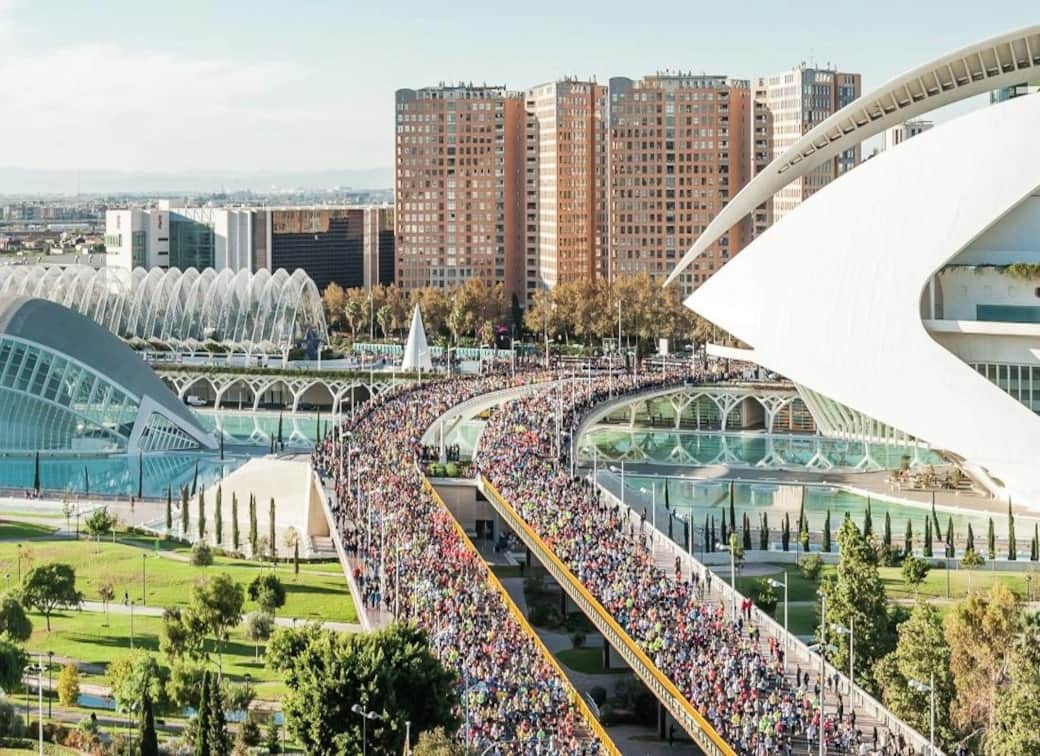
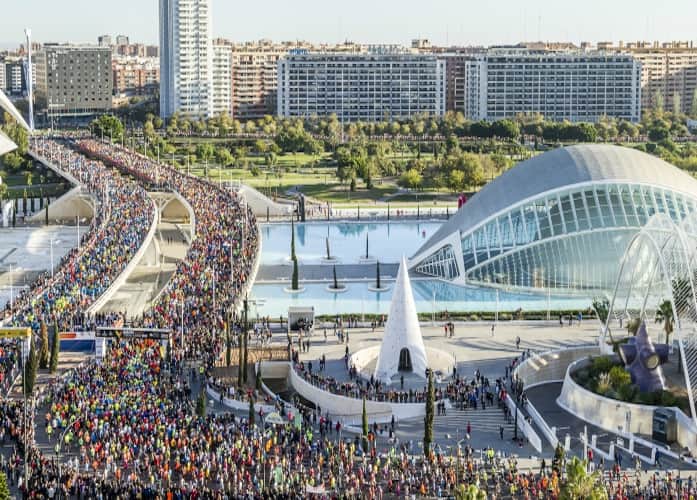
The 42K Valencia Trinidad Alfonso Zurich is much more than a race; it is a celebration of running that begins when you arrive in the city and continues until you cross the iconic finish line at the Ciudad de las Artes y las Ciencias. Its impeccable track record has been recognised on numerous occasions by the RFEA, consolidating its position as the best marathon in Spain and an international benchmark for athletics enthusiasts.
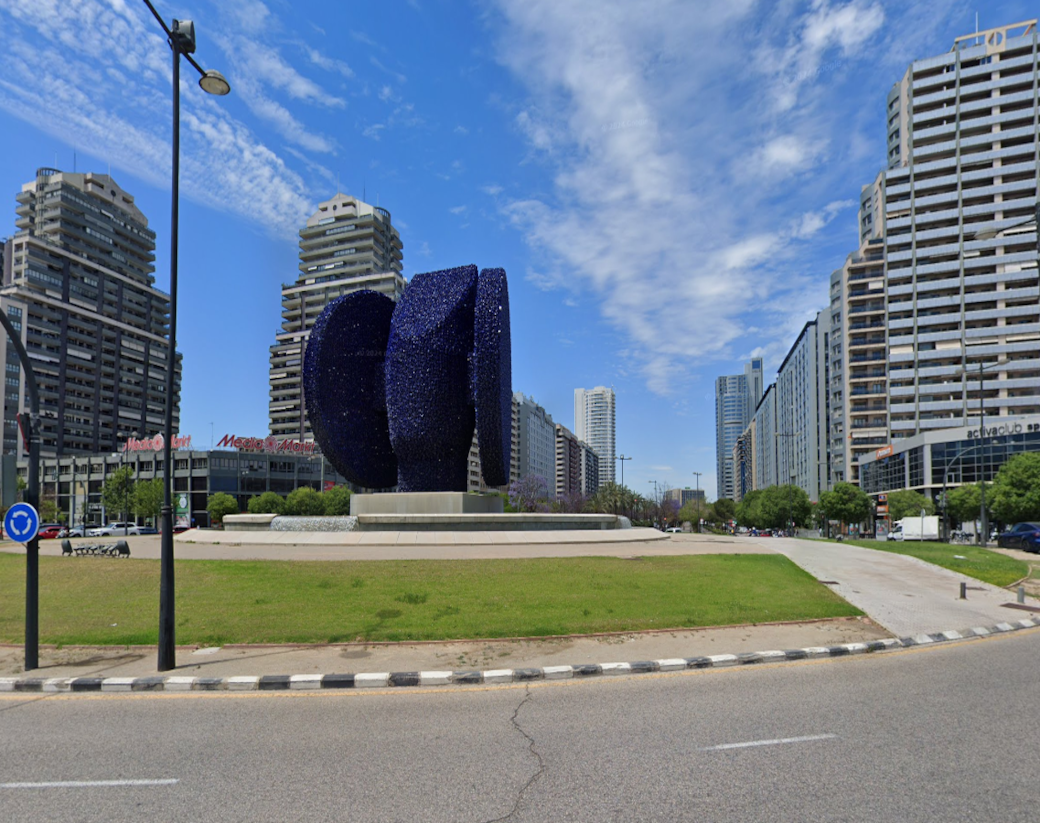
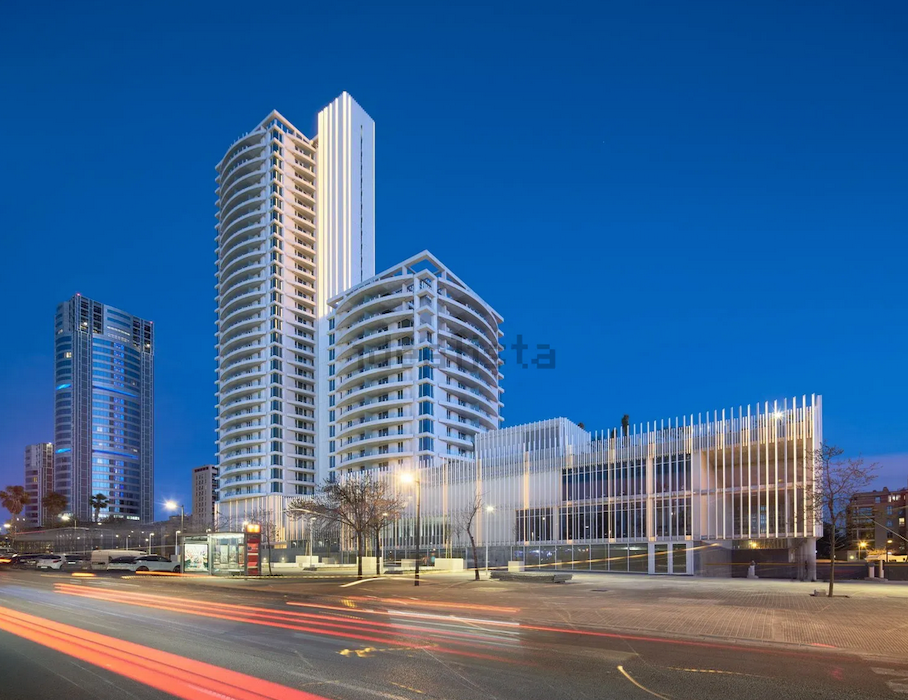
Alongside Valencia's tradition of having a marked aptitude for modernity, particularly in the futuristic urbanisation of some neighbourhoods. Half of the protagonists of economic and social life come from all over Europe, and Valencia boasts two important public universities and several private ones.
The Port of Valencia contributes significantly to growth, being the third largest port in Europe.
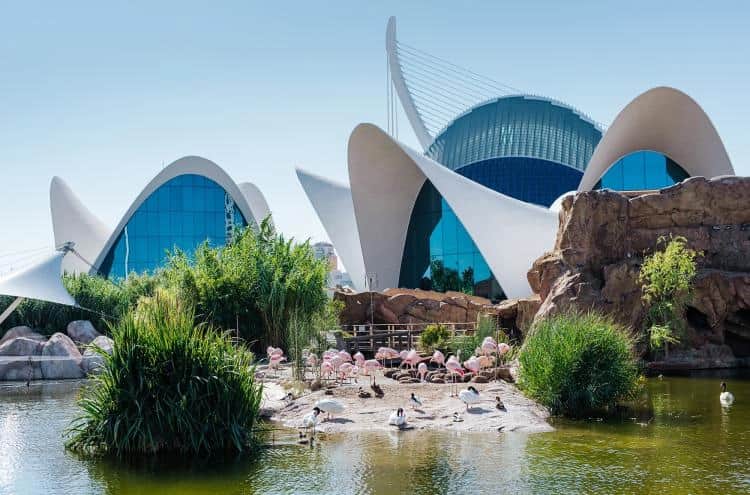
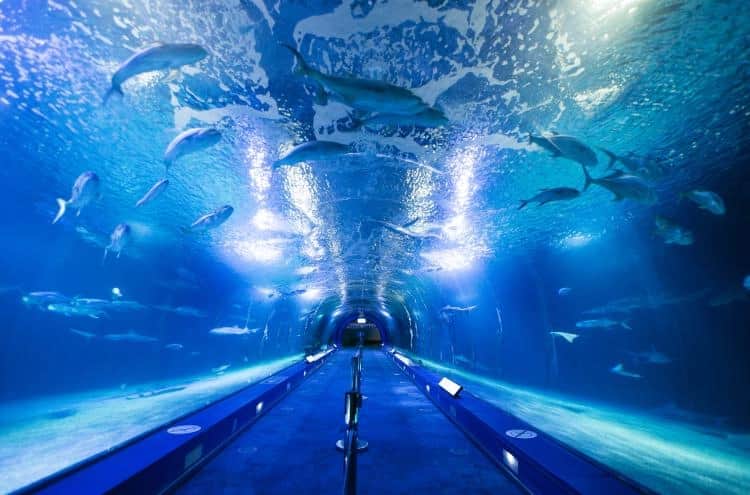
Oceanogràfic Valencia is the largest aquarium in Europe with a total surface area of 110,000 square metres . Located in the avant-garde architectural complex of the City of Arts and Sciences, the aquarium reproduces the most important marine ecosystems. It contains a total volume of 41.6 million litres of water and features a 35-metre underwater tunnel.
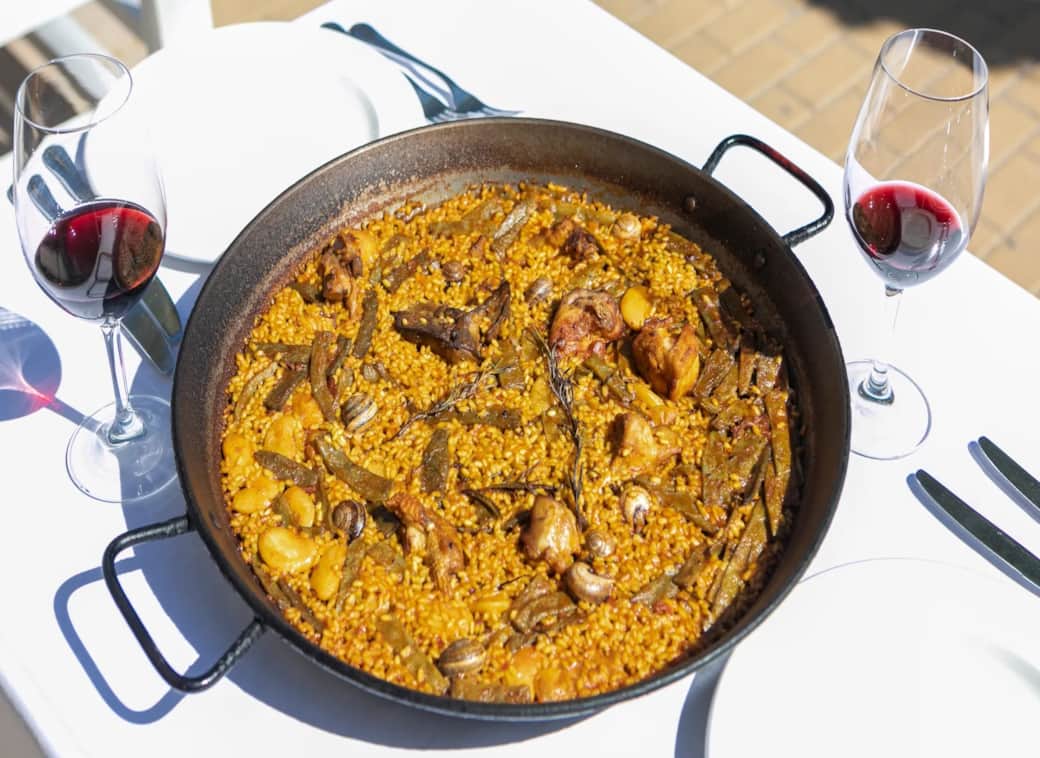
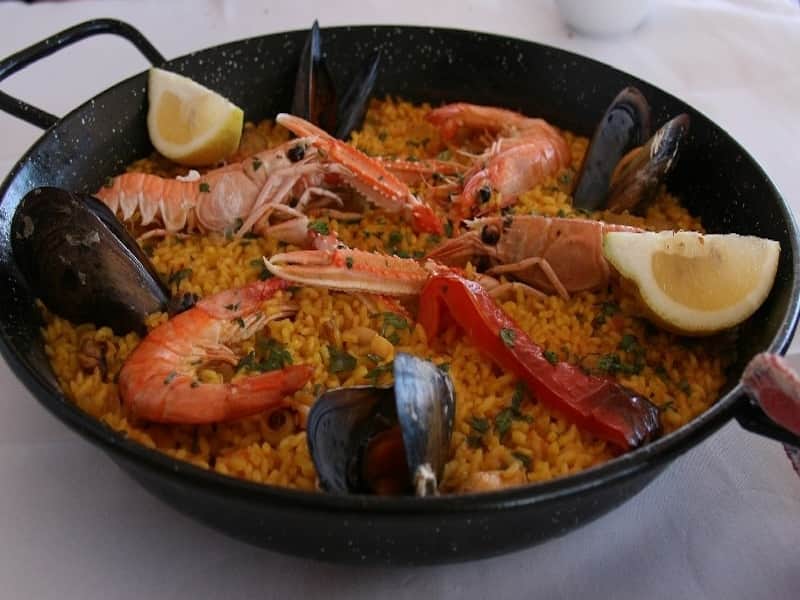
Paella is a typical dish from Valencia, rich in protein and carbohydrates. It contains chicken, rabbit, snow peas and sometimes, as in the photo, snails. On the right, we see a paella that, although not strictly traditional due to its abundant use of shellfish and crustaceans, is a dish particularly appreciated by tourists who frequent restaurants in the Valencian Community.
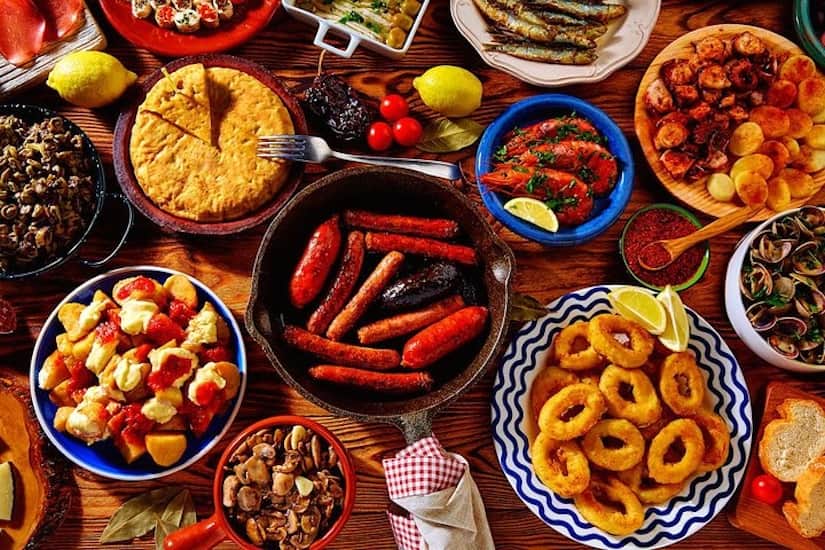
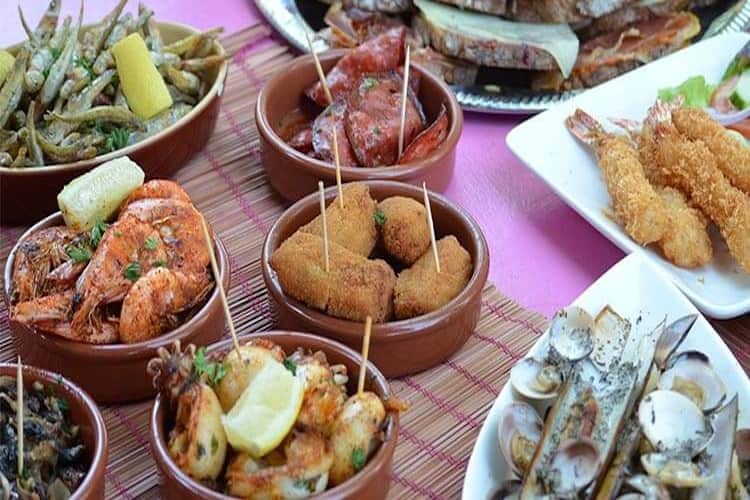
If there is one thing that characterises Valencia's cuisine, it is variety and quality. Dishes to share which, thanks to their size, allow you to try many flavours and different preparations in the same meal.
The proximity of the produce harvested in the vegetable gardens and the fish from the coast are the best guarantee of the freshness and intensity of Valencian tapas.